Saturday, October 3, 2015

اعتنِ بنفسك ليتضاعف عطاؤك!

ألم الأسنان من أكثر الآلام التي تؤرقنا ولا سبيل للخلاص منها إلا بزيارة طبيب الأسنان، ولكن هل طرأ إلى بالك الآلام التي يشعر بها طبيب الأسنان بشكل   يومي ومستمر على مدار سنين عمله؟


يرجع السبب الأول لمشاكل العمود الفقري والأكتاف لدى أطباء الأسنان لطبيعة عملهم التي تتطلب منهم أن يضعوا العمود الفقري في وضعيات غير مريحة ومع الوقت يتحول الألم اليومي إلى مشاكل دائمة كالإنزلاقات الغضروفية في الظهر والرقبة مما يؤدي  إلى التقاعد المبكر
فا في عام 1987، تم إلغاء 1.3 مليون موعد طبيب أسنان مما أدى إلى خسارة 41 مليون دولار بسبب الآلام المزمنة

المصدر


في هذا الموضوع سوف أطرح الوضعيات الصحيحة التي يجب اتباعها، خطة العلاج اليومية الواجب اتباعها وتشمل: تمارين، العلاج الحراري و التدليك


أبحاث ودراسات 

 أثبتت دراسة أن معدل الإصابة بأمراض الهيكل العظمي العضلي لدى أطباء الأسنان  يتراوح مابين 64%-%93


:أمراض العمود الفقري تنقسم إلى
 العمود االفقري الرقبي وتبلغ نسبتها لدى أطباء الأسنان  19.8%-%85

 36%-60.1% العمود الفقري الظهري وتبلغ نسبتها لدى أطباء الأسنان 

كما تبلغ نسبة الإصابة بألآلم اليد والمعصم لدى خبراء صحة الأسنان 60%-69.5


  الرسم البياني يوضح دراسة  أجريت على مجموعتين، مجموعة أطباء أسنان ومجموعة مهنين أخرى لتبين نسبة الإصابة بمختلف الآلام الجهاز الهيكلي العضلي


قمت بعمل إحصائية على مستوى 46  متدرب ومتدربة في طب الأسنان تتراوح أعمارهم مابين 20 -25 عام
:وكانت النتائج كالتالي

ثمانون بالمئة منهم يشعرون بألم خلال العمل-

44.4% منهم يقوموا بعمل تمارين استطالة لتخفيف الألم


الوضعيات الغير سليمة 


ينتج عن هذه الوضعيات تغير في شكل الهيكل العظمي العضلي مثل

تقوس في  عضلات الكتف-

خلل في التوازن بين عضلات الرقبة الأمامية  والخلفية مما يسمى
Forward Head وضعية تسمى ب


 انحراف في استقامة العمود الفقري مما يسبب- 
Scoliosis حالة الجنف أو


هذه الوضعيات تشكل ضغط على فقرات العمود الفقري سواء الرقبي أو الظهري، والضغط بدوره يسبب إلتهاب في الأعصاب مما يؤدي إلى الشعور بالألم


:الحالات التي يسببها ضغط الفقرات

الإنزلاق الغضروفي في الرقبة أو الظهر-
"الديسك" -
عرق النسا-


ماهي أعراضه؟
خدر أو وغز في القدمين
ألم شديد في الساق
ضعف في الساق المصابة

 !الوقوف لفترة طويلة 
بعض عمليات جراحة الفم والفك أو خلع الأسنان تتطلب من  طبيب الأسنان الوقوف لفترة طويلة قد تصل إلى ساعة إذا كانت الحالة معقدة
وعلى مر السنين مع استمرارهذه العادة يبدأ الطبيب بالشعور بألم في مفصل الركبة والكعبين كما إنه يوجد بعض الحالات التي أصيبت بدوالي الأوردة أو مايعرف بالدوالي العنكبوتية، وهي إحدى أمراض الأوردة الدموية التي تحدث بسبب عطل في صمامات ضخ الدم إلى الأوردة مما يعرقل الدورة الدموية


ومع الوقت إن لم يتم علاجها تتحول إلى عقد يستلزم لعلاجها عملية جراحية


ومن جهة أخرى، بعض أطباء وخبراء صحة الأسنان يشعرون بألم في مفصل الرسغ والكوع كما يشعروا بألم وخدران في اليد. وذلك يعود لطبيعة العمل التي تتطلب جهد كبير من عضلات اليد 

متلازمة النفق الرسغي
تحدث بسبب إلتهاب في العصب الأوسط الذي يغذي عضلات أصابع اليد

أعراضها

ألم في باطن اليد-
الشعور بالوخز والخدران في أصابع اليد-
التنميل في السبابة والبنصر والوسطى والإبهام-


أثبتت دراسة أجريت في عام 1997 على 1000 طبيب أسنان، أن نسبة الإصابة بهذه المتلازمة بلغت 32% وهي لاتشكل خطراً كبيراً كنسبة ولكن إذا تم إهمال الحالة قد تتطور بشكل خطير 

خطة العلاج

لحماية نفسك كطبيب أسنان من الإصابة بكل ماسبق يجب إتباع خطة علاجية يومية في المنزل أو مراكز العلاج الطبيعي
-:الخطة تشمل
تمارين إستطالة لعضلات الرقبة والظهر-
تمارين تقوية لعضلات الرقبة والظهر-
العلاج بالحرارة لتخفيف ألم الظهر والرقبة-
تمارين لاستطالة وتقوية عضلات الساق لتخفيف أعراض عرق النسا
تمارين تقوية لعضلات الرسغ واليد-
العلاج بالثلج لمتلازمة النفق الرسغي-
وضعيات لتحسين الدورة الدموية في الجزء السفلي من الجسم-
وضعية الطبيب الصحيحة خلال العمل-

تمارين إستطالة لعضلات الرقبة -


الهدف من هذه التمارين هو استطالة عضلات الرقبة المشدودة 
عدد مرات التمرين خلال اليوم :15 مرة تقسم على 5 فترات في كل فترة 3 مرات
من كل تمرين لمدة 15-30 ثانية ويفضل القيام بهم في الصباح وبعد الإنتهاء من علاج المريض


بعد القيام بتمارين الإستطالة، يجب تقوية العضلات لكي نحافظ على مدى الإستطالة الذي حصلت عليه العضلات 


  السهم يشير إلى إتجاه مقاومة ضغط اليد بالرأس ويجب عدم تحريك الرأس للإستفادة من التمرين

الهدف من هذه التمارين هو تقوية عضلات الرقبة الضعيفة 
عدد مرات التمرين خلال اليوم :10 مرة تقسم على 5 فترات في كل فترة 2 مرات
من كل تمرين لمدة15  ثانية 

في حال الشعور بألم غير محتمل أثناء التمرين أو بعده يجب إيقافه وإستشارة طبيب عظام


التدليك


تمارين استطالة لعضلات الظهر 

 التمرين الأول 
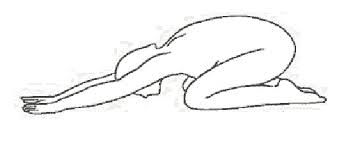
إبدأ بوضعية السجود الموضحة مع مد ذراعك لأقصى درجة إلى الأمام ومد ظهرك للخلف حتى تشعر بإستطالة في عضلات الظهر
يجب الإنتباه لوضعية الرأس وعدم رفعه خلال التمرين


الهدف من هذا التمرين هو استطالة عضلات الظهر السفلية  
عدد مرات التمرين خلال اليوم :10 مرة تقسم على 5 فترات في كل فترة 2 مرات
من كل تمرين لمدة30-60  ثانية 

في حال الشعور بألم غير محتمل أثناء التمرين أو بعده يجب إيقافه وإستشارة طبيب عظام


التمرين الثاني
Knee to chest exercise 

هذا التمرين خاص بعضلة الفخذ الخلفية Gluteus maximus

ماعلاقتها بألم الظهر؟
  تلعب هذه العضلة "إذا كانت قوية" دوراً مهماً في ضمان استقامة العمود الفقري عند الحاجة إلى رفع شيء من الأرض 
فهي تضمن انثناء مفصل الورك بشكل سليم كما موضح في الصورة 1،بينما إذا كانت ضعيفة وحدها عضلات الظهر سوف تعمل عند التقاط شيء من الأرض مشكلة  بهذا جهد زائد على العمود الفقري كما في صورة 2


طريقة القيام به موضحة بالفيديو 
فيديو

الهدف من هذا التمرين هو استطالة عضلة الفخذ الخلفية  
عدد مرات التمرين خلال اليوم مرتين في كل مرة 10 مرات على فترتين  في كل فترة 5 مرات
من كل تمرين لمدة30-60  ثانية 

تمارين تقوية عضلات الظهر والبطن

ماعلاقة عضلات البطن بالظهر؟

لضمان حركة عضلات الظهر بشكل سليم من دون أي جهد زائد، يجب أن تكون العضلات المساندة قوية وتسمى ب
Stabilizers
هذه العضلات وظيفتها مساندة عضلات الظهر في حركتها اليومية حتى لا تصاب بإجهاد، منها عضلات البطن
  حيث أثبتت عدة دراسات أن ضعف هذه العضلات سبب من أسباب ألم الظهر وبتقويتها يخف(Core muscles)


التمرين الأول
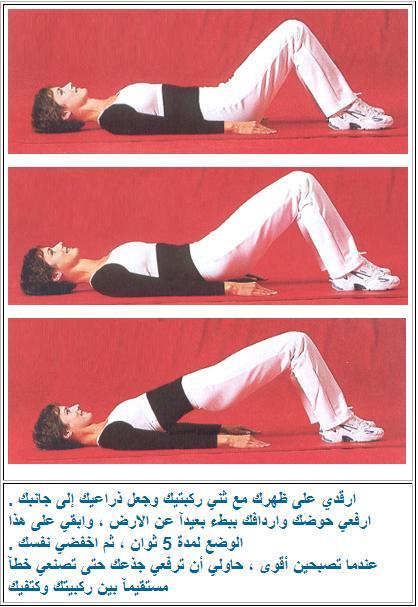


شرح للتمرين الأول Bridging

التمرين الثاني
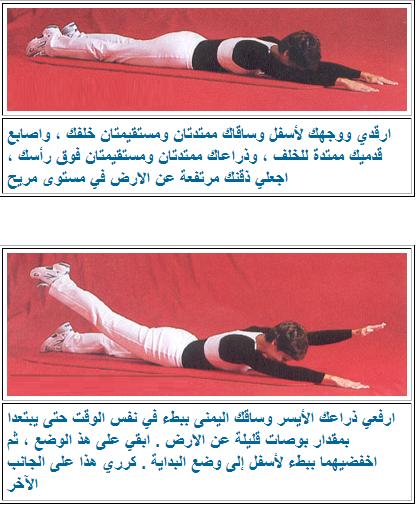


كبداية، كرر كل تمرين 5 مرات في اليوم فقط وتدريجياً قم بزيادة 5 مرات أخرى

تمارين تقوية عضلات الظهر

التمرين الأول 

تقوية عضلة الفخذ الخلفية عن طريق ال
Squats
ويجب مراعاة عملها بالطريقة الصحيحة بحيث يكون محور مفصل الورك على نفس المستوى مع الركبة، والظهر يجب أن يكون مستقيماً
الصورة اليمنى تمثل الوضعية الخاطئة 

كرر التمرين 10 مرات في اليوم وإذا شعرت بألم شديد في الظهر قم بالتوقف عن أداءه


العلاج بالحرارة لتخفيف ألم الرقبة و الظهر

تعتبر الحرارة من أنجح وسائل تخفيف الآلام الظهر والرقبة حيث تعمل على ارتخاء العضلات المشدودة وبالتالي تعطي راحة للشخص. يفضل استخدامها بعد الإنتهاء من التمارين أو في نهاية يوم شاق

النوع الأول من حافظات الحرارة متوفر في كل الصيدليات تقريباً ويسهل استخدامه، فقط ماعليك إلا أن تملئها بالماء الساخن ومن ثم لفها بمنشفة لكي تتضمن عدم حرق جلدك
ضعها لمدة لاتزيد عن 15 دقيقة ويجب إزالتها في حالة الشعور بحرارة شديدة


النوع الثاني 


متوفر في محلات المواد الطبية ولاستخدامه يجب وضعه في أفران ماء خاصة وعادة ماتوجد في مراكز العلاج الطبيعي أو وضعه في حوض ماء ساخن جداً ثم لفه بمنشفة ووضعها على أعلى أو أسفل الظهر


تنبيه: لاتضع أي نوع من الحرارة على الرقبة مباشرة بل على العضلات كما مشار بالصورة


التدليك


تمارين لتخفيف أعراض عرق النسا


قم بالإستلاقاء بهذه الوضعية، وثني أحد الركبتين وفرد الأخرى ثم شد الظهر إلى الأمام


إبدأ بالوضعية الموضحة ثم بيدك قم بسحب الساق حتى تشعر بشد في الخلف


تمارين لتقوية عضلات اليد

يمكنك الحصول على هذه الأدوات المختلفة في أي محل مواد رياضية أو ألعاب أطفال، احتفظ بواحدة منها في عيادتك ومارس التمرين بين الحين والأخر

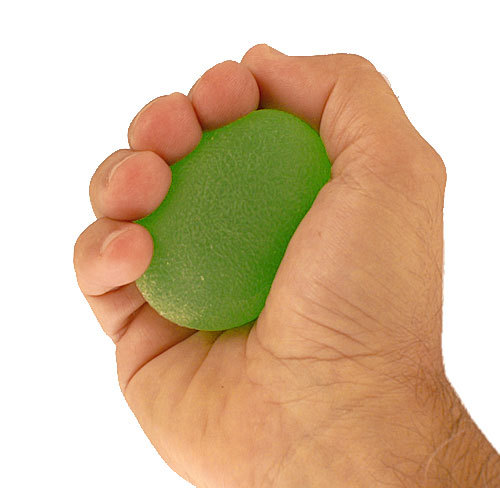


تمارين لمتلازمة النفق الرسغي
Carpel tunnel syndrome


العلاج بالثلج 

يمكن استخدام كمادات الثلج  لتخفيف ألم متلازمة النفق الرسغي، إما بإستخدام كيس ثلاجة عادي ووضع فيه مكعبات من الثلج أو بإستخدام كمادات ثلج خاصة 


يجب وضع الثلج على المنطقة باللون الأحمر وعدم  
  وضع الثلج بشكل مباشر، يفضل وضع منديل خفيف
لمدة 15 دقيقة 


وضعية لتحسين الدورة الدموية في الأوردة 

مارس هذه الوضعية مرتين على الأقل في الأسبوع، مع عدم وضع وسادة تحت الرأس والاستلاقاء على سطح مريح 


وضعيات سليمة 


يجب أن يكون الظهر مستقيماً

ميل الجذع بزاوية لاتزيد عن  20 مع عدم ميلانه إلى الجنبين
الجذع=trunk

يجب أن يكون هناك زاوية لا تقل عن 45 درجة إتساعاً بين الفخذين

مستوى الكتفين يجب أن يكون موازي للمحور الأفقي من دون رفعهما بشكل زائد


استخدم هذا النوع من الكراسي عوضاً عن الكراسي التقليدية


يجب أن تلامس قدماك الأرض*


توصيات ومقترحات

يفضل طرح مادة ال (ergonomics) بشكل مفصل لطلاب كلية طب الأسنان 

إعطاء محاضرة توعوية من قبل أخصائي علاج طبيعي عن المشاكل التي قد يتعرض لها طبيب الأسنان في المستقبل والتي قد تحد من عطاؤه

الإستمرار على هذه النصائح والتمارين للمحافظة على مستقبلك كطبيب أسنان

وختاماً، قد لا أكون شملت كل التمارين التي يحتاجها طبيب الأسنان لتخفيف ألمه، ولكن ذكرت أهمها ولضمان الإستمرار عليها يجب أن لا تقوم بها كلها في يوم واحد، بإمكانكم مراسلتي على بريدي الإلكتروني لوضع جدول يومي للتمارين مع المتابعة 
ayaaalghouti@gmail.com 


Saturday, August 29, 2015

As your baby grows, take notes!


As your baby grows, you compare his development by the children around him or even by his siblings (his brother was able to roll at this age) or (his cousin walked at this age and he is not). It's normal to wonder in the first three years (as they are the development time) whether he is on the right track or no, but the difference in days or weeks doesn't really matter. As long as he will catch up the milestone with the expected age, everything is fine.


First you need to understand what a milestone means.

"It's the behaviors and physical skills seen in infants and children as they grow up and develop like rolling, crawling and walking and they differ according to the age." MedlinePlus

The developmental milestone scales varies from a source and another, but all of them follow the same standards. However, I'm going to mention the most important developmental milestones (head control, rolling, creeping, crawling, sitting and walking) along with the fine motor skills. Therefore, you need to read more about each stage as there are many details that you need to know and notice it as your child grows.

"for example, one 9-month-old may have very advanced motor skills because she loves to explore and interact through movement but not spend much time jabbering, while another baby the same age may be playing with syllables and calling you "mama" but be less adept at motor skills. "What's most important to track is that the child is making forward progress in all domains," Says Claire Lerner, child development specialist at Zero to Three, a national nonprofit promoting the healthy development of children.

"Among children with developmental delays, about 40 percent have more than one developmental issue, and less than 2 percent have three or more."

Early intervention is the key to save your child's situation from further deterioration. Once you start the treatment early you will have a remarkable recovery, while if you wait and didn't take an action the prognosis will be poor.

Gross motor development chart
Fine motor developmental chart


Now after you know everything related to the normal developmental milestone, notice your child's growth; if he's on track then no need to worry but if he's behind by more than 2-3 weeks then you should start to worry. It could be a hearing problem (he doesn't react to the sound by moving toward the source), or his head is lagging (he can't control his head) and he's 4 months.

The cause of delay could be:-
1-Genetic (like in Down Syndrome kids)
2-Prematurity (Accidents, infections or radiations during pregnancy)
3-Lack of oxygen during birth (Major cause for Cerebral palsy)
4-Post maturity (Fever, infection, accident or drug abuse)


Who should I consult if I suspect any delay?
1-Pediatrician
2-Pediatrician neurologist
3-Pediatric physiotherapist
4-Occupational therapist (for fine motor skills and sensory integration)
 This team usually sit together for the evaluation to know the diagnosis.

What type of treatment he will have?
In general, physical therapy and rehabilitation are the main lines of treatment for developmental delays. It comes in a form of planned exercises that aim to improve/facilitate a function/milestone. Whether it's for locomotion skills, fine motor or sensory integration.

Sensory integration therapy  is mainly to improve the delays in sensory system, such as eye-head coordination, weak sensation for objects (some children keep biting themselves without feeling it), problems in movement against gravity and not being able to sense the body in the space. It's the job of the occupational therapist to work along with the physical therapist to improve the child's daily  activity.


Examples of sensory integration

 A sneak peek Inside a pediatric rehabilitation room!

Main components of a pediatric rehabilitation room


Head control exercise, by strengthening neck, abdominals and back muscles.

Hydrotherapy exercise for strengthening chest muscles


Walking within  a closed environment


Improving hand functions by the occupational therapist 


Facilitating trunk control 

Gait training
Balance Exercise


Vestibular rehabilitation for coordination by using the Spider cage

Training for walking using the walker
Sensory integration room

Sensory integration room for eye coordination
Can my child go to school ?

Yes, in each country there are schools for special needs and early intervention. They evaluate each child and depending on his level in motor skills and IQ they allocate him to a class. The teachers there are specialists in providing special care to the children and they know well how to deal with them.

Everyday there are new studies on the recent interventions for special needs children, there's a cure for everything but your job as parents is to learn and notice your child's growth. Don't hesitate to  go to Mother and child care centers, there are always screening for kids development which will teach about your child's development and alert you earlier if there's a problem.


Here are some stories for special need children who got recovered after rehabilitation. 

https://www.youtube.com/watch?v=rZ2Cehi7N70
https://www.youtube.com/watch?v=iCDr8xnTEMQ

More about developmental milestone timeline:

https://www.aap.org/sites/Search/Pages/results.aspx?k=developmental%20milestone

For further questions don't hestiate contacting me:
ayaaalghouti@gmail.com 

Tuesday, June 9, 2015

What you shouldn't do at the gym


You walk into the gym and you're likely going to see different people doing different workout using different methods. You ask yourself, what shall I do? shall I start by machines or free weights? What workout suits me the best?
All this doesn't matter compared to the errors that you should avoid. They might seem minor to you, but they actually affect your gains. There are many mistakes which people commit in gym whether they are beginners or not, i chose the commonest ten points for you so you make sure you're following the right tract.

1) Gym without a diet

Doing physical activity without a balanced diet won't give you good results. You should have a diet plan that suits the workouts that you do. It's not necessarily mean that you should cut all carbs/fats, it's just a matter of minimizing the portions of the three essential meals and increase the number of the healthy snacks.

2)Overwhelming  
Beginners start by putting big goals like:
“I want to gain 20 pounds of muscles and start eating healthier”
“I want to lose 14 pounds of fat”
“I’ll cut all the carbs”
“I’ll only have salad for my lunch”
And they end up losing motivation because they think that it’s working well. 

*The ideal thing to do is to break the long term goal into  short term goals like:

“I’ll minimize my meals portions and increase number of healthy snacks/day”
"I'm going to switch from machines to free weights to build more muscles."


3)Not planning 


Without a plan you will end up roaming in the gym, doing nothing but switching between workouts without a specific program. This will waste your time, energy and it will make you demotivated because you won't get good results at the end. 

*Consult your trainer/physiotherapist and follow a certain plan to benefit from the workouts. 

4)Not tracking 

Without writing down what you have done on each day and document everything; improvement will be slow. You will be lost and you won't remember what was your biceps strength last month for example. 
Tracking is very essential for beginners, you should record the type of workout you did, how many repetitions, sets and what weight you used. Also recording your body weight, body circumference and body fat periodically is very essential for a follow-up. People who are not tracking; don't upgrade correctly.


"What gets measured, gets managed."-Peter Drucker

5) Doing the same workouts everyday

The one metabolic cycle of the muscle is around 48-72 hours; which means that the process of building the muscle after a certain exercise will take from 48-72 hours. If you're training the same muscle everyday, you won't give  enough time to the torn tissues -because of workout- to heal. Therefore, you will slow the progress of building up the muscles and it won't get any stronger. And not only that, it will be more prone to injury as it's exhausted.

*As a beginner, you may train your full body two to three times per week. Once you can do this without muscle soreness. You can specify one day for upper body only and the next day for lower  body then the third day take a rest.  

6)Over working out

Doing an exercise too much -either by increasing intensity or frequency- is considered wrong!
As you won't give enough time for your body to recover. Beginners can start by high intensity for three times per week for example but once their endurance and strength improves; they should decrease the frequency of the sessions to allow their body to recover and make the exercise more productive.
Jennifer Walters, a personal trainer at Planet fitness in Ohio; addressed the seven signs of over training in her featured article.

If you have these signs, it's a signal that you should cut back a bit and give your body time to recover:

 1) Exercise leaved you exhausted instead of energized.
2)You get sick easily (Because exercises should improve your immunity and not vise versa)
3)You have heavy legs
4)You have short fuse
5)You're regularly sore for days at a time
6)You can't sleep or you feel that you're not getting enough sleep
7)You have the blues (Being sad or depressed most of the time)

"Always keep in mind that as intensity increases, frequency should be diminished." Dr. Mercalo 

Reference


7)No warm up


Many body builders don't give great attention to the warm-ups, while it plays an essential role in making the workout productive. Faking some stretches and walking on the treadmill for few  minutes are considered to be poor warm-ups. The intensity of your warm-ups depends on the intensity of the workout that you're going to do. If you're going to perform  225-pound pench press and you did a few stretches as a warm up, then your shoulders are ready to get injured. 

"A great warm up readies your nervous system and body for a hard workout, eliminates your weak links, and improves your movement quality. The result? more muscles; less injuries." 

The ultimate warm-up routine

*Before doing any workout; consult your personal trainer (and make sure he/she is an expert) or just google what are the best warm-ups for this specific workout. 


8)Not drinking water

Keeping your body hydrated is essential to get the most of your workout. Water is a vital component of the chemical reactions, without it all these reactions will be slow; the tissue healing and muscle recovery. For an efficient workout and stronger muscles, make sure you're having the adequate amount of water before, during or after the work-out.

 "Just losing 2% of body weight in fluid can decrease performance by up to 25%." says Carlson director of performance nutrition for Athletes' performance 

9) Relying on supplements 

From my experience, this is very common among beginners;
They relay on supplements more than exercises, while this is so wrong. You can use supplements but you have to have a solid diet; lean meat, veggies, milk, a lot of water and whole grains. Also, workout is what's going to give you strong muscles not the amino-acids supplements alone. If your nutritious and exercise base are not strong then don't go for supplements! 

I won't go deep in this point as it's not my specialty but i advise each beginner to think 1000 times before going to supplements and consult the expert people not those who are attracting people to supplements only to gain more money!

The secret to supplementation

10) Not doing Cardio

Cardio activities are super important but unfortunately they are neglected by many people. Let's say you want to get a  6-pack; with body fat above 10% you can't simply get it. Lifting weights, stretches or even walking on treadmill won't burn this fat while cardio does. 

There are many forms of cardio that you can follow:
1)jogging
2)swimming
3)speed walking
4)Cardio circuit training

The importance of cardio
References

Thursday, April 16, 2015

حقيبة المدرسة..الخطر الأكبر على الطالب

حقيبة المدرسة رفيق أساسي لكل طالب من المرحلة  الإبتدائية وحتى المرحلة الثانوية. كل ماتقدم الطالب مرحلة كل مازاد الثقل في هذه الحقيبة، من كتب ودفاتر وأقلام وغيره. حتى أصبحت هذه الحقيبة واقع يعاني منه الطالب أكثر من كونها تساعده على التخفيف من الحِمل.لذلك بدأت "بعض" المدارس بإنشاء خزانات مدرسية تسمح للطالب بوضع ما لايحتاجه من كتب في المنزل داخلها للتخفيف من الوزن

!!ولكن أكثر المدارس لا تفكر في معالجة هذه المشكلة  حتى يومنا هذا


الهيكل العظمي مصمم بطريقة ليخدم متطلبات الجسم من حركة وتحمل الأوزان. أي تغير سلبي يطرأ على الجسم سيقلل من الوظيفة الأساسية للهيكل ويجعله معرض لإنحرافات والآلام مما يؤدي إلى دخول الشخص في دائرة لا نهائية من شكوى ألم الظهر والرقبة وقد 
    يؤدي أيضاً إلى ضيق في التنفس بسبب تأثير الإنحرافات على القفص الصدري
واحد من هذه التغييرات السلبية هو الوزن الزائد للحقيبةالمدرسية،المعدل الطبيعي لوزن الحقيبة هو 10% من وزن الطالب في حين 
    نرى الطلاب يحملون حقائب يتجاوز وزنها ال7 أو 8 كيلوجرامات


 -:الأثار السلبية لإستخدام حقيبة مدرسية ثقيلة

تحدب الظهر والأكتاف لمعادلة وزن الحقيبة الثقيل ليتحقق التوازن. وهذا معناه أن الطالب سيخرج عن حدود التوازن الطبيعية *


 خلل في التوازن مابين العضلات الأمامية والخلفية، حيث تصبح واحدة قوية والأخرى ضعيفة مما يؤدي إلى انحرافات في وضعية  الجسم الطبيعية مثل
تحدب الكتفين-
تقدم الرقبة-
تحدب الظهر-
ضيق القفص الصدري ويؤدي إلى ضيق في التنفس-
ظاهرة الجنف وهي عبارة عن انحناء في العمود الفقري ناجم عن وضعيات خاطئة
: وتسبب
التواء في العمود الفقري إلى جهة واحدة من الجسم-
عدم تساوِ مستوى الكتفين-
عدم تساوي مستوى الخصرين، واحد أعلى من الآخر-
ألم في الرقبة والظهر-
للقراءة أكثر عن الجنف اضغط هنا


هل للحقيبة دور في ألم الظهر؟
بالتأكيد، حيث  أثبتت بعض الدراسات التي أجريت على أطفال مرحلة ابتدائية يحملون
 حقائب مدرسية يتراوح وزنها مابين 10%-22% كيلوجرام، شكوى الطلاب 
.زمن ألم في الظهر بسبب الضغط على فقرات العمود الفقري
فتخيلي ابنك ذو العشر سنوات يعاني من ألم في الظهر؟ حاله كحال كبار
 السن..الموضوع غير مخيف ولكن اهماله وعدم أخذ الاحتياطات سيجعله خطير

  الحقيبة الجرارة

تعتبر الحقيبة الجرارة بديل جيد لحقيبة الظهر الثقيلة بشرط أن يتم تنبيه الطالب على عدم استخدام الجزء الحديدي منها كوسيلة لضرب الطلاب حيث تم منع استخدامها من بعض المدارس بسبب الشغب بين الطلاب
حلول

وزن الحقيبة يجب أن لايتجاوز 500 جرام وهي فارغة وأن لا يتجاوز 5-10% من وزن الجسم وهي ممتلئة
الحقيبة بحزامين أفضل من الحزام الواحد ليتم توزيع الوزن بشكل متساوي
   حزام الحقيبة يجب أن يكون محشو جيداً بالاسفنج القوي لأن الأحزمة الغير محشوة تسبب ضغط على الكتفين وألم
توزيع محتويات الحقيبة بشكل متناسق بحيث تكون الادوات الحديدية في المنطقة غير الملامسة للظهر
عند شراء الحقيبة، يرجى مراعاة أن تكون مناسبة لطول ووزن الطالب
يجب عمل نظام في المدارس بحيث يكون هناك تخفيف على الطالب بوضع الكتب في الخزانات وعدم أخذها للمنزل كل يوم
التركيز على تمارين تقوية عضلات الظهر والكتفين في حصص التربية البدنية حتى تكون مستعدة لثقل الحقائب
مبادرة المناهج اللإكترونية
بعض الدول بادرت بتغير المناهج من النمط التقليدي إلى الكتب الإلكترونية بحيث ما على الطالب إلا أن يحضر جهاز الأي باد حتى يتمكن من متابعة دروسه بحيث تقلل من عبأ الحقيبة 
أتمنى من وزارات التربية والتعليم والمدارس والجهات المختصة بتسليط الضوء أكثر على هذه المشكلة التي تثبط الطالب وتقلل من حماسه للدراسة


Wednesday, April 1, 2015

Coccydynia, a common condition that you should read about!


Prolonged sitting is always the cause of most of the spine conditions, back pain, disc problems or coccydnia. In this post i'm going to introduce you to a type of pain that's so annoying and prevent some people from performing their  normal daily activities. 


Coccydnia (Tailbone pain) is a condition where the person feels pain at the bottom of his spine (at the coccyx bone). Usually this pain is persistent and it gets worse when the person sits or perform any activity where the pressure on the coccyx increases.

Women are likely to acquire coccydynia more than men!

Because the structure of coccyx differ. While sitting, men bear weight on the lower part of the hip called (ischila tuberosity) while women bear weight on the coccyx itself.
Ischial tuberosity 


Coccydnia video!

Causes:
1-Child birth
2-Falls
3-prolonged sitting

Symptoms:

  • Pain that is markedly worse when sitting
  • Local pain in the tailbone area that is worse when touched or when any pressure is placed on it
  • Pain that is worse when moving from a sitting to standing position
  • Pain that is worse with constipation and feels better after a bowel movement. 
Treatment:
The main cause of coccydynia is the pressure so the best way to reduce the pain is by  alleviation of  the pain.

1-Reduce the daily sitting hours.
2-Don't sit on hard surfaces.
3-Use the coccyx donut cushion: it's available in all pharmacies.


5-Exercises:


kegel exercise 

Kegel Exercise

it involves the contraction of the perineum, the section of the pelvic floor between the anus and genitals. Contract these muscles as if you are stopping the urge to urinate or have a bowel movement. Hold for 10 seconds and repeat this three to four times. The purpose of this exercise is to stimulate nerves in the sacral and coccyx region while toning and strengthening the pelvic area. This exercise also eases pain in the sacrum and coccyx.
A combination of the exercises and the tips will help in reducing the pain!


Wednesday, March 25, 2015

Why baby walkers shouldn't be used..

Will baby walker help my baby to learn walking?

No, in fact many studies shows that babies who use a baby walker tend to walk a month later than those who don't.

The reason behind this is that baby walkers don't allow full weight bearing on feet which explains why babies walk on their toes at the early stage of walking. 
So how can that delay the walking process?
First you need to know what are the bad effects of using it..
Using a baby walker can:

1-Delay  motor development by: Causing power  imbalance between lower limb muscles and pelvic muscles, the later will be more weak.

2-Loss of  proprioception sensation as the child won't look down while walking.


3-Increase risk of pelvic subluxation/dislocation

4-Tightness in heel cord


5-Tightness in calf muscles (muscles at the back of knee)

6-Rickets legs


7-Increase  risk of accidents such as, falls or burns.


"In 1999, an estimated 8800 children younger than 15 months were treated in hospital emergency departments in the United States for injuries associated with infant walkers."

Reference

Some studies:-


"The American Academy of Pediatrics recommends against using walkers not only because they can discourage your child from learning to walk on his own, but also because they can be dangerous. Thousands of babies end up in emergency rooms and doctor's offices from falling down stairs or bumping into furniture while in a walker. Walkers can give parents a false impression that their babies are truly mobile and can control their actions. Some parents even leave their babies alone to navigate their way around the home in a walker."

"Canada banned baby walkers in 2004. Possession of a baby walker can lead to fines up to $100,000 or six months in jail. But in some countries, more than 75 percent of babies still use walkers– and the injuries continue."


Reference 

But there's always an alternative..!


Modified baby walkers are much better than the traditional one. It helps the baby to learn walking, improve his muscle power and enhance his motor development. 
They are available in the market in a variety of shapes but one thing you need to consider with this kind of baby walker is to  provide a very safe environment for your baby to prevent any falls.